Smiley Kitten Font: A Handwritten Typeface for Branding
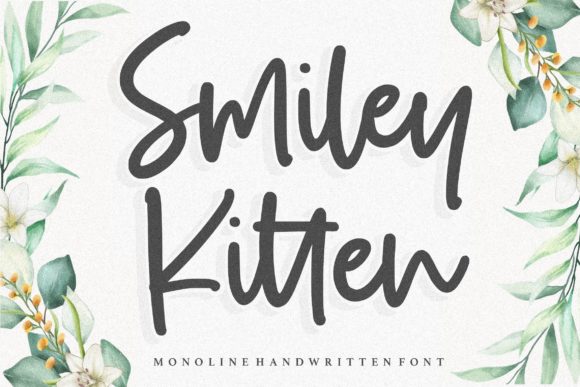
I still remember the exact moment I realized my homemade candle business looked a little too much like a hobby and not enough like a brand. I was standing at my kitchen table, surrounded by amber glass jars and freshly printed labels, feeling a strange disconnect. The product inside was high-quality, hand-poured soy wax with premium fragrance oils, but the label typography felt stiff and generic. It lacked the warmth, personality, and artisanal touch that defined my actual process. That afternoon, I stopped pouring wax and started searching for a typeface that could bridge the gap between my handmade reality and my professional aspirations. That search led me to Smiley Kitten, a sweet and friendly handwritten font that completely transformed how customers perceive my small business.
Finding Personality in Premium Typography
When you are running a boutique or an online shop, every visual touchpoint matters. Typography is often the silent ambassador of your brand identity. Before discovering this creative font, I was relying on standard system fonts that, while readable, had zero emotional resonance. Smiley Kitten stood out immediately because of its natural and unique style. It does not look like a computer-generated script; it looks like something written by a real person with a steady hand and a warm heart. This distinction is crucial for small business owners. We aren't competing with big-box retailers on price or speed; we are competing on connection, authenticity, and story.
The personality of this display font strikes a difficult balance. It is playful without being childish, and elegant without being stuffy. For my candle line, which focuses on cozy, nostalgic scents like "Sunday Morning" and "Rainy Day Bookstore," this typeface provided the perfect visual translation of those feelings. It turned a simple product label into an invitation to slow down and enjoy a moment. When selecting from the vast world of Script Amp fonts, finding one that feels organic rather than manufactured is the key to making your packaging design feel intentional and polished.
Practical Applications Across Business Materials
Once I integrated Smiley Kitten into my design assets, I found myself using it far beyond just product labels. Its versatility makes it incredibly fitting to a large pool of designs, limited only by your imagination. Here is how this modern typography choice elevated different areas of my business:
- Product Packaging and Labels: I used the font for the scent names on my jar labels. The handwritten flow contrasts beautifully against the clean, minimalist sans serif text used for ingredients and safety warnings. This hierarchy guides the customer’s eye exactly where I want it to go.
- Thank-You Cards and Inserts: Printing order inserts with a header in Smiley Kitten makes the unboxing experience feel personal. Even though the card is printed, the typography mimics the feeling of a handwritten note, increasing customer loyalty and encouraging social media shares.
- Social Media Graphics: On Instagram and Pinterest, scrolling happens fast. Using this creative font for quote overlays and announcement banners stops the scroll. It adds texture to digital feeds that are often saturated with identical bold sans serifs.
- Website Banners and Headers: I updated my Shopify homepage hero image to feature a seasonal collection title in Smiley Kitten. It softened the web design and made the digital storefront feel as welcoming as a physical pop-up market.
Mastering Readability and Font Pairing
As entrepreneurs, we must balance aesthetics with function. A beautiful typeface is useless if customers cannot read the product name or price. Smiley Kitten shines as a headline and accent font, but it requires thoughtful pairing to maintain readability. In my own branding journey, I learned quickly that this font works best when given space to breathe. It is ideal for short phrases, logos, packaging titles, and decorative accents, but it should rarely be used for long paragraphs of body copy.
For the best results in editorial design and commercial use, pair Smiley Kitten with a clean, geometric sans serif or a classic serif font. The contrast between the organic curves of the handwritten font and the structured lines of a supporting typeface creates a professional, trustworthy look. For example, on my candle boxes, the brand logo and scent name utilize Smiley Kitten, while the net weight, burn time, and ingredient list are set in a simple, legible sans serif. This combination ensures compliance with labeling regulations while maintaining the artisanal vibe. Always test your font pairings at actual print size and on mobile screens before finalizing any design assets. What looks spacious on a 27-inch monitor might become illegible clutter on a 2-inch sticker or a phone screen.
Building Consistency and Trust Through Type
Consistency is the foundation of brand recognition. Before standardizing my typography, my marketing materials looked disjointed. My website felt modern, my packaging looked vintage, and my social media seemed casual. Adopting Smiley Kitten as my primary display font created a cohesive thread through every customer interaction. Now, whether a customer sees a Facebook ad, receives a package, or visits my website, the visual language remains consistent. This consistency builds trust. It signals that the business is established, attentive to detail, and reliable.
Typography affects first impressions more than we often realize. A polished, intentional font choice tells customers that you care about their experience before they even open the product. For handmade sellers and boutique owners, this perceived value allows for better pricing power and stronger brand positioning. Smiley Kitten helped me move away from the "DIY" aesthetic toward a "handcrafted luxury" positioning, simply by changing the letterforms on my packaging.
Licensing and Technical Considerations for Entrepreneurs
Before falling in love with any premium font, practical due diligence is necessary. As business owners, we must ensure our creative choices are legally sound for commercial use. When downloading or purchasing Smiley Kitten, always verify the licensing terms. Confirm that the license covers your specific intended uses, whether that is physical merchandise, digital templates, client work, or advertising. Some licenses differentiate between desktop use for printing and webfont use for websites, so check the file formats included.
Additionally, explore the full capabilities of the typeface. Many high-quality handwritten fonts include OpenType features like alternates, ligatures, and swashes. These hidden gems allow you to customize the look of specific letters to avoid awkward spacing or repetitive shapes in logos and headers. Checking for multilingual support is also vital if you plan to sell internationally or serve diverse communities. Understanding these technical details ensures that Smiley Kitten serves your business effectively and legally for years to come.
Choosing the right typeface is one of the most impactful decisions a small business owner can make. It is not merely decoration; it is a strategic tool for communication. Smiley Kitten offered my business the warmth and distinctiveness it was missing, turning generic products into memorable brand experiences. Whether you are redesigning a café menu, launching a skincare line, or refreshing your Etsy shop, remember that your typography speaks before you do. Choose a font that tells your true story, and watch how it transforms not just your visuals, but your entire brand identity.