Emilston Font: Authentic Handwritten Charm for Makers
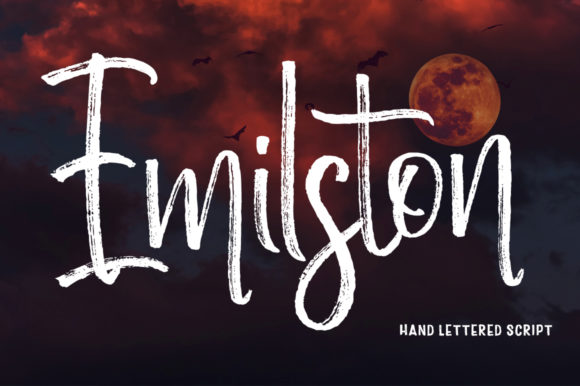
As a small business owner and crafter, finding a typeface that feels genuinely handmade rather than digitally manufactured is one of the most significant challenges in product design. We spend hours perfecting our physical goods, from pouring soy candles to stitching linen tote bags, and the typography we choose must reflect that same level of care and authenticity. Emilston results out of a stunning pairing of a brush pen and pencil that makes it look incredibly endearing and authentic. This unique handwritten font bridges the gap between raw artistic expression and professional legibility, making it an essential asset for creators who need their digital designs to feel as tangible as the products they sell.
The Visual Personality of Emilston in Product Design
What sets Emilston apart in the crowded marketplace of script fonts is its dual-texture aesthetic. Many display fonts commit entirely to either a bold brush stroke or a delicate pencil line, but this typeface integrates both. The result is a visual rhythm that mimics natural handwriting variations. For makers selling on platforms like Etsy or at local craft fairs, this organic quality translates directly to perceived value. When a customer picks up a greeting card or reads a product label, the subtle imperfections and textural shifts in Emilston signal that a human being was involved in the creation process.
This font excels in creating emotional connections. It avoids the sterile perfection of standard sans serif fonts while maintaining enough structure to remain readable at smaller sizes. The brush elements provide weight and anchor points for titles, while the pencil-like strokes add intimacy and detail. This balance is crucial for brand identity; it allows your packaging and marketing materials to feel cohesive yet personal, reinforcing the story behind your handmade business without sacrificing commercial polish.
Practical Applications for Physical Products and Packaging
For those of us producing physical inventory, versatility is non-negotiable. Emilston serves as a workhorse for various applications where aesthetics meet function. Consider product labeling for jars, bottles, and boxes. A minimalist label often fails to convey warmth, but using this creative font for the product name adds instant character. Because the letterforms have distinct open counters and moderate x-heights, they remain legible even when printed on textured paper or kraft stickers. This readability is vital for compliance and customer experience; beautiful typography should never obscure essential information.
Beyond labels, this font shines in personalized merchandise. If you offer custom mugs, tumblers, or apparel, Emilston provides a premium alternative to generic cursive. Its endearing quality makes it particularly effective for children’s items, nursery decor, and sentimental gifts. For stationery designers, it works beautifully on wedding welcome boards and place cards, where the mix of thick and thin strokes creates hierarchy without needing multiple font families. In the realm of printables and digital downloads, such as planner inserts or wall art quotes, Emilston adds a layer of sophistication that justifies a higher price point compared to free alternatives.
Optimizing for Cutting Machines and Small Formats
Crafters using Cricut or Silhouette machines know that not all script fonts are created equal. Intricate scripts with hairline connections often tear during weeding or fail to adhere properly to transfer tape. Emilston’s brush-pen influence gives it inherent structural integrity. The strokes possess enough weight to cut cleanly on vinyl, cardstock, and adhesive sheets. However, practical testing is always recommended. When designing small stickers or intricate cake toppers, ensure you are utilizing the bolder alternates if available, as these will withstand the cutting blade better than the finest pencil-textured details.
For heat transfer vinyl (HTV) on shirts and tote bags, the font’s natural texture can sometimes be lost depending on the material. On smooth cotton, the detail remains crisp, but on rougher canvas, the pencil elements may soften. Embrace this as part of the handmade charm, but adjust your cut settings accordingly. Always perform a test cut on your specific substrate before committing to a full production run. This practical mindfulness ensures that the final product retains the intended endearing and authentic look described in the font’s design philosophy.
Strategic Font Pairing for Brand Consistency
While Emilston is a stunning standalone display font, successful product design often requires supporting typography. Because this typeface carries so much personality and texture, it pairs best with clean, understated companions. Avoid pairing it with other highly decorative scripts, as this creates visual competition and reduces readability. Instead, opt for a geometric sans serif font or a simple modern serif for body text, ingredient lists, dates, and contact information.
For example, on a candle label, use Emilston for the scent name "Lavender & Sage" to evoke relaxation and nature, then use a lightweight sans serif for the burn time and safety warnings. This contrast highlights the beauty of the main font while ensuring functional clarity. In social media graphics and web design, this pairing strategy guides the viewer’s eye effectively. The expressive script captures attention and conveys mood, while the secondary font delivers the necessary details. This approach maintains brand consistency across diverse touchpoints, from Instagram stories to physical shipping tags.
Leveraging Alternates and Ligatures for Customization
To maximize the commercial utility of Emilston, explore its OpenType features thoroughly. Premium fonts in the Script Amp category often include contextual alternates, swashes, and ligatures that prevent repetitive letterforms. In handmade design, repetition is the enemy of authenticity. Real handwriting varies; no two 'a's or 'g's look exactly identical. By activating these features in your design software, you can mimic this natural variation, making your mass-produced prints or templates feel bespoke.
Check for multilingual support if you serve a diverse customer base or create bilingual packaging. Additionally, review the included file formats to ensure compatibility with your workflow. OTF and TTF files are standard for desktop design, but having SVG or WOFF formats is increasingly valuable for web-based template sellers and those using browser-based design tools. Understanding the full scope of what is included allows you to extract maximum value from the asset and adapt it to evolving market trends without constantly seeking new fonts.
Navigating Commercial Licensing for Sellers
Using a gorgeous and unique handwritten font like Emilston to bring any DIY project to life is exciting, but protecting your business requires understanding licensing. Before incorporating this typeface into products for sale, verify the specific commercial license terms. Licenses vary significantly regarding the number of units sold, the type of end product (physical vs. digital), and whether the font itself is being redistributed in editable templates.
If you are selling physical goods like signs or apparel, a standard commercial license usually suffices. However, if you are creating editable Canva templates, Corjl files, or SVG bundles for other crafters, you likely need an extended or special license. Respecting these terms is not just about legal compliance; it supports the type designer and ensures the continued development of high-quality creative assets. Always keep your license receipt organized. As your shop grows, having clear documentation of your font rights provides peace of mind and protects your brand reputation. Investing in the correct license for Emilston is an investment in the sustainability and professionalism of your creative enterprise.